Client Mohamed Talaat Architects Real Estate · 2026
Mohamed Talaat Architects · Ramadan Iftar 2026
An Iftar table designed like a building — every detail deliberate, nothing arbitrary
Project Overview
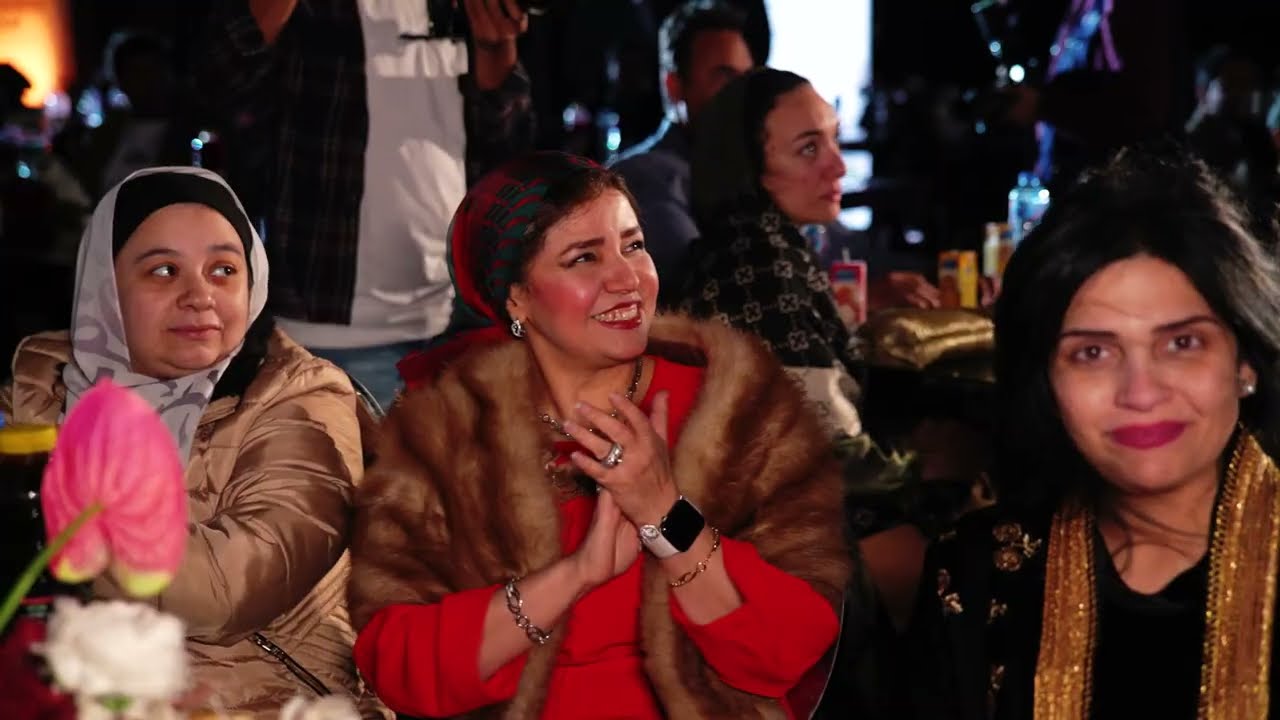
For a firm whose discipline is the considered arrangement of space, the hospitality event is not a departure from the work — it is an extension of it. Mohamed Talaat Architects convened its partners, clients, and collaborators for a Ramadan Iftar in Cairo that carried the firm’s own design sensibility into the room: refined, deliberate, and free of the superfluous.
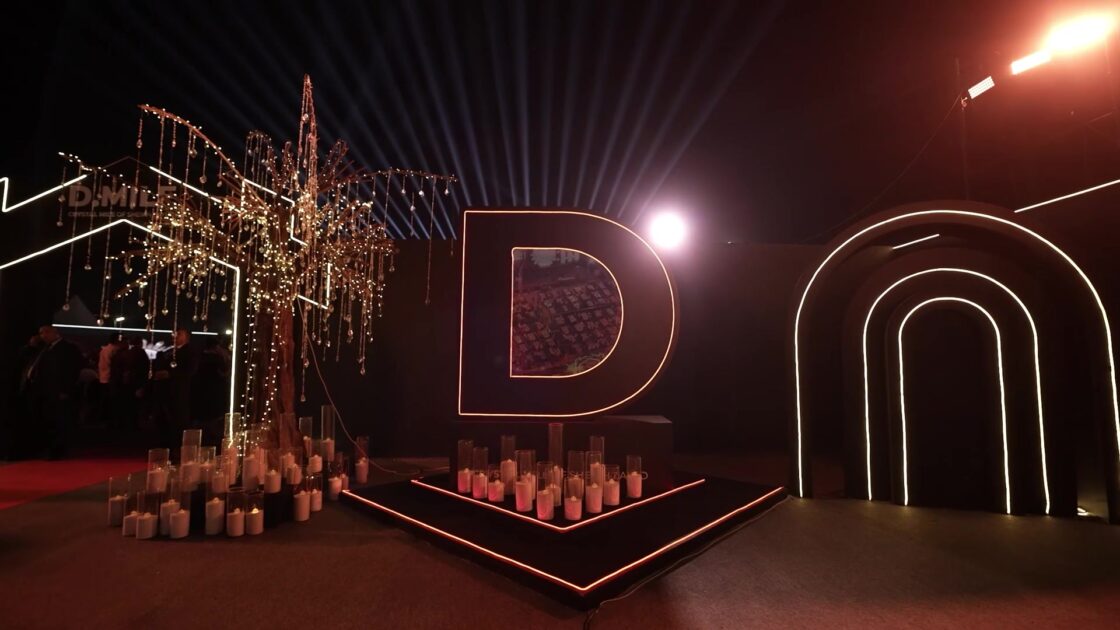
Strike Media produced the evening in full — venue dressing, lighting design, programme direction, and the ambient atmosphere that a room of architects and built-environment professionals would immediately read and evaluate. The brief was to stage an Iftar that felt authored: not a hotel package dressed with a logo, but a brand moment as considered as the firm’s portfolio.
At Iftar, the breaking of the fast is both a ritual and a reunion. Strike Media designed the production around that dual register — building an environment that honoured the occasion’s warmth and stillness, while presenting Mohamed Talaat Architects as a practice whose attention to quality extends from the drawing board to the dinner table.
/ Objectives
Client and Partner Appreciation: Create an Iftar evening that communicated genuine esteem to the architects, consultants, and clients the firm depends on — hospitality as a professional statement, not a calendar obligation.
Brand Register in the Room: Build a production environment — lighting, materials, table design, spatial flow — that reflected the firm’s design philosophy directly, giving every guest a sensory impression of what Mohamed Talaat Architects stands for.
Relationship Deepening: Programme the evening to facilitate the informal conversations that project meetings and proposal tables cannot host — Iftar as the hour when professional relationships acquire personal dimension.
Year-on-Year Benchmark: Establish a production standard for the firm’s Ramadan hospitality that would define client expectations for subsequent years — the first edition that sets the register all future editions must match.
/ Challenges
Iftar Timing Precision: The Iftar moment — the exact minute of sunset at which the fast breaks — is non-negotiable and cannot be managed around. Every element of service, programme, and hospitality flow had to be calibrated to that fixed point, with no margin for production overrun in the thirty minutes before it.
Sophisticated Audience: A room of architects carries a heightened sensitivity to spatial and design decisions. Every production choice — materials, proportions, lighting temperature, table configuration — was subject to an implicit professional evaluation that a general corporate audience would not apply.
VIP and Religious Dignitaries: An Iftar in Ramadan may include guests whose protocol requirements — seating precedence, greeting formality, programme sensitivity — differ from those of a standard corporate dinner, requiring a run-of-show that accommodated multiple social registers simultaneously.
/ Final Outcome
The Mohamed Talaat Architects Iftar was received as an occasion worthy of the firm’s standing — an evening that gave its professional network a reason to deepen their association with the practice.
Room Atmosphere: Guests moved through a production environment that communicated design discipline at every point of contact — the firm’s brand values made tangible through the evening’s physical details.
Partner Attendance: The Iftar drew the firm’s key collaborators and repeat clients into a shared occasion that reinforced the personal dimension of professional relationships built over years of project work.
Brand Reinforcement: The evening established Mohamed Talaat Architects as a practice that invests in the quality of its relationships as systematically as it invests in the quality of its work — a signal felt by every guest in the room.