Egypt’s most beloved patriotic anthem — reimagined across generations, produced to endure
Project Overview
حلوة يا بلدي is not simply a song. It is a declaration of belonging that has carried across generations of Egyptians — its melody inseparable from national feeling, its words part of the country’s emotional vocabulary. Reviving it required an artist capable of carrying that weight without being crushed by it, and a production approach capable of honouring the original while building something new enough to reach a generation that did not grow up with Dalida‘s recording.
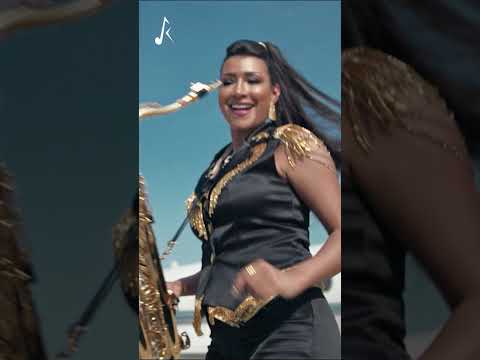
Strike Media produced the music video for Rahma Hassan‘s rendition of حلوة يا بلدي — a version that brings Dalida‘s voice and image into dialogue with Rahma Hassan’s contemporary performance across four minutes and twenty-seven seconds of visual storytelling. The video does not simply document a performance; it constructs a conversation between two artists separated by decades, united by the same song and the same love for Egypt.
A patriotic music video for a song of this stature is either an act of genuine care or a missed opportunity. Strike Media produced an act of genuine care.
/ Objectives
Generational Bridge: Produce a video that makes حلوة يا بلدي feel simultaneously like a memory and a new discovery — honouring Dalida’s legacy while establishing Rahma Hassan’s ownership of the song for a contemporary audience.
Visual Storytelling: Build a four-minute visual narrative capable of carrying the song’s emotional weight — finding images and sequences that match the anthem’s patriotic register without resorting to cliché.
Cultural Responsibility: Handle the integration of Dalida’s archival presence alongside Rahma Hassan’s live performance with the editorial and ethical care that both artists’ standing demands.
Platform Reach: Produce a video native to digital and broadcast platforms simultaneously — built to travel across YouTube, television, and social media without losing coherence in any context.
/ Challenges
Legacy Pressure: حلوة يا بلدي carries a weight of public feeling that very few songs in any language carry. Every creative decision — from the opening frame to the final note — was made in the shadow of an audience with strong pre-existing feelings about what this song means and how it should be treated.
Archival Integration: Bringing Dalida’s image and voice into a contemporary music video required sourcing, clearing, and integrating archival material in a way that felt organic rather than grafted — the two artists sharing a screen as collaborators, not a revival act borrowing a ghost.
Emotional Calibration: A patriotic anthem video must inspire without preaching, move without sentimentalising, and celebrate without grandstanding. Finding the precise emotional register — and holding it for four minutes — is the central editorial challenge of a film like this.
/ Final Outcome
Strike Media’s production of حلوة يا بلدي gave Rahma Hassan a landmark music video — and gave the song a new chapter worthy of its history.
Cultural Resonance: The video placed Rahma Hassan at the centre of Egypt’s patriotic music conversation — establishing her interpretation of حلوة يا بلدي as the definitive contemporary rendition of the anthem.
Audience Reach: The generational span of the song’s appeal — from audiences who remember Dalida’s original to a generation discovering it for the first time through Rahma Hassan — gave the video an organic reach across demographic lines that few music productions achieve.
Production Legacy: The video stands as a record of the song’s revival — a permanent piece of Egypt’s musical archive and a demonstration of what a patriotic music commission produced at this standard can achieve.